
Wed, Sep 30, 2026
[Archive]
Volume 2, Issue 1 (IJHMD 2025)
IJHMD 2025, 2(1): 24-28 |
Back to browse issues page



Download citation:
BibTeX | RIS | EndNote | Medlars | ProCite | Reference Manager | RefWorks
Send citation to:


BibTeX | RIS | EndNote | Medlars | ProCite | Reference Manager | RefWorks
Send citation to:
Rahimi M K, Shafaghat T, Hossein Zade S, Khaledi E, Jafari H. Analysis of organizational health and organizational entrepreneurship among nurses at Afshar hospital in Yazd city. IJHMD 2025; 2 (1) :24-28
URL: http://jhd.goums.ac.ir/article-1-52-en.html
URL: http://jhd.goums.ac.ir/article-1-52-en.html
Mohammad Kazem Rahimi1 

 , Tahereh Shafaghat1 , Saeideh Hossein Zade2 , Elham Khaledi3 , Hasan Jafari *4
, Tahereh Shafaghat1 , Saeideh Hossein Zade2 , Elham Khaledi3 , Hasan Jafari *4
1- Health Policy and Management Research Center, Shahid Sadoughi University of Medical Sciences, Yazd, Iran; Department of Health Management and Economics, School of Public Health, Shahid Sadoughi University of Medical Sciences, Yazd, Iran
2- Health Services Management, School of Public Health, Shahid Sadoughi University of Medical Sciences, Yazd, Iran
3- Student Research Committee, Department of Biostatistics and Epidemiology, School of Health, Isfahan University of Medical Sciences, Isfahan, Iran
4- Health Policy and Management Research Center, Shahid Sadoughi University of Medical Sciences, Yazd, Iran; Department of Health Management and Economics, School of Public Health, Shahid Sadoughi University of Medical Sciences, Yazd, Iran ,Jafary_h@yahoo.com
2- Health Services Management, School of Public Health, Shahid Sadoughi University of Medical Sciences, Yazd, Iran
3- Student Research Committee, Department of Biostatistics and Epidemiology, School of Health, Isfahan University of Medical Sciences, Isfahan, Iran
4- Health Policy and Management Research Center, Shahid Sadoughi University of Medical Sciences, Yazd, Iran; Department of Health Management and Economics, School of Public Health, Shahid Sadoughi University of Medical Sciences, Yazd, Iran ,
Full-Text [PDF 453 kb]
(461 Downloads)
| Abstract (HTML) (1731 Views)
Discussion
The present study revealed that Organizational Health (OH) among the studied individuals was at a high level. Soltani et al. (21), Sharifi et al. (17), Gholampour et al. (22), and Akbari et al. (16) also reported high levels of OH in their respective studies, which is consistent and aligned with the current research. However, Shariatmadari (23) reported the level of OH among their subjects as moderate. Conversely, Iranzadeh (24) found that the employees studied enjoyed a weak level of OH, requiring support and reinforcement from senior managers, a result that does not align with the current study. This disagreement might be due to the difference in location and sample; Iranzadeh’s sample consisted of all Azad University employees, while the current study sample was nurses in a public hospital.
Among the seven dimensions of OH in the current study, the highest mean score belonged to the morale dimension, and the lowest mean score belonged to the consideration dimension. Soltani (21), in contrast, reported the highest mean for the structuring dimension and the lowest for Institutional Unity, which differs from the current findings. Sharifi (17) identified scientific emphasis and institutional unity as having the lowest scores, which does not align with the current study. Iranzadeh (24), however, reported that the morale dimension achieved the highest score relative to other OH dimensions, and consideration had the lowest mean, which is consistent with the present study.
Regarding Organizational Entrepreneurship (OE), the level among the studied individuals was high. Dehghan et al. (25) also stated that employee entrepreneurship scores were generally good, which is similar to the current findings. However, Akbari et al. (16) found that most employees at Tehran University had moderate to low levels of entrepreneurship, which does not align with the current study. This difference could be attributed to the year of the study and the difference in the sample population. Among the OE dimensions, entrepreneurial leadership had the highest mean score, while entrepreneurial culture had the lowest mean score. Dehghan reported reward status as having the highest mean and entrepreneurial leadership as having the lowest mean (25). This finding does not align with the current research. The sample in Dehghan’s study belonged to the sports sector, whereas the current study participants were nurses, which could explain this inconsistency. Nasr Esfahani reported organizational climate as the highest and flexibility as the lowest (20), which does not align with the present study. Lorni et al. also examined this issue in their review of Italian hospitals, and their findings partially overlapped with the present study, showing that OH principles were only partially addressed and realized, and the overall response level of the local hospital was lower than that of the university hospital (26).
The study findings indicated a significant difference between marital status and OH. Specifically, the mean OH score was significantly higher among divorced individuals compared to other groups. Furthermore, a significant difference was observed between educational level and OH, where the mean was lower among employees with a bachelor’s degree compared to other educational levels. Shariatmadari (23) also found a significant relationship between OH status and demographic characteristics such as gender and work experience, which does not align with the current study. This discrepancy may be attributed to differences in the sample studied; the present research focused on nurses, whereas Shariatmadari’s study focused on school principals.
Moreover, the current research indicated a significant difference between gender, type of workplace sector, and educational level with OE. A significant difference was found between work experience and OE, such that the mean OE score was significantly higher among employees with 11 to 15 years of work experience compared to others. Studies by Nazem et al. (14) and Ghahramani (27) demonstrated a significant difference in OE across demographic variables, specifically educational level and work experience, which is consistent with the present study.
One of the strengths of the present study was its uniqueness. It is among the few studies examining OH and OE among nurses in the city of Yazd. Given the scarcity of specific research in this area, this study can partially fill the existing research gaps. One limitation of the study was the non-cooperation of some nurses, which was partially overcome by explaining the objectives and importance of the project.
Conclusion
Based on the research findings, the healthcare staff studied in this research, which included nurses, had a good level of entrepreneurship. Given the importance of entrepreneurship, efforts must be made to enhance it within the organization. Among the dimensions of OE, the entrepreneurial leadership dimension had the highest mean score, and the entrepreneurial culture dimension had the lowest mean score. Therefore, fostering entrepreneurship should be considered a strategic priority for hospital policymakers and managers, and assessing the level of entrepreneurship should become a continuous activity.
Furthermore, the level of OH among the hospital staff was assessed as relatively high. Therefore, adopting measures aimed at increasing innovation and creativity, improving the teamwork atmosphere, and enhancing the feeling of support from managers among nurses - such as consultation classes, practical workshops, and recreational camps - as well as utilizing management strategies like participative management, delegation of authority to personnel, having a reward system, providing staff access to desirable specialized resources, and granting employees autonomy within the scope of their specialized tasks, can be helpful in this regard.
Acknowledgement
We hereby express our gratitude and appreciation for the support provided by Shahid Sadoughi University of Medical Sciences and the cooperation of the management and staff of Afshar Hospital in Yazd for conducting this research.
Funding sources
Shahid Sadoughi University of Medical Sciences (No.: 17083) has provided financial support.
Ethical statement
Ethics approval related to the research was obtained from the Ethical Committee of Shahid Sadoughi University of Medical Sciences (Approval No.: IR.SSU.SPH.REC.1403.052).
Conflicts of interest
The authors declare that they have no competing interests.
Author contributions
M. K. R., S. H. Z., and H. J. Contributed in designing the study. S. H. Z. and T. Sh. Collected the data. E.Kh. Analyzed data. H. J. Drafted the manuscript. All the authors read and approved the final manuscript.
Data availability statement
Data is available upon request from the corresponding author.
Full-Text: (355 Views)
Introduction
Hospitals are considered the most important health and treatment institutions, serving as a crucial arm for providing health and treatment services and the first level of referral with specific territories and responsibilities. In today’s highly competitive world, hospitals, as key entities in providing health and medical services, require continuous improvement in the quality of their services (1). In this regard, Organizational Entrepreneurship (OE) is recognized as a key strategy for innovation and performance improvement (2). OE is defined as the process by which individuals pursue opportunities within organizations, regardless of the resources they currently control. Entrepreneurship creates new employment opportunities, characterized by the creative and innovation-based production or provision of products and services (3). An organizational entrepreneur is someone who discovers and exploits new products, activities, and technologies within an organization; they are essentially the engine for the growth and development of organizations and societies (4). Therefore, the duty of organizations and managers is to discover and nurture creative and entrepreneurial individuals. Every organization needs an appropriate structure and conditions to foster creative and entrepreneurial individuals, enabling them to utilize their latent talents (5).
Statistics from studies conducted worldwide have identified nurses as the largest group of employees in the treatment team. Thus, the successful execution of medical affairs largely depends on the quality of nurses’ job performance. Optimal job performance by nurses guarantees the quality of health services provided to patients and contributes to their satisfaction (6). Competent nurses, by integrating knowledge, skills, and attitudes that enable them to adapt to dynamic healthcare environments, are key contributors to maintaining safe and effective healthcare services (7). Rapid changes in the healthcare system have created exceptional opportunities for nurses with creativity, innovation, and business acumen to become entrepreneurs. Nurses, who act as the frontline healthcare providers, play a vital role in promoting and implementing OE. Entrepreneurial nurses can provide nursing services in the nature of direct care, education, research, executive, and consultative roles (8).
Fostering and strengthening the spirit of entrepreneurship in an organization requires providing a suitable foundation, structure, and organizational setup (9). To promote entrepreneurship in an organization, an environment is needed where employees’ talents are shaped toward entrepreneurship. The presence of a healthy organization creates a suitable atmosphere for the emergence of employees’ talents. Managers in healthier organizations value the efforts of their staff and encourage them to propose new ideas (10). Conversely, a low level of health is the root of many individual and organizational problems and failures, leading to the waste of resources and driving the organization toward destruction (11). Thus, it can be concluded that entrepreneurship is a crucial and complex subject influenced by a wide range of factors. One of the significant factors affecting entrepreneurship is Organizational Health (OH), which refers to the organization’s durability and survival in its environment, its adaptability, and its ability to upgrade and expand its capacity for better adjustment (12). A healthy organization is a place where people want to stay and work, and be effective and productive individuals themselves (13). If an organization enjoys complete health, it leads to increased employee responsibility and improved quality of products and services (14).
Research indicates that OH can act as a driver for OE, and its improvement can lead to the creation of innovative opportunities and increased efficiency in organizations (15). Given the aforementioned points and the importance of the status of OH and OE, and considering that no previous study has examined the status of these two factors in this hospital, the necessity of conducting the present research was felt even more strongly. The researchers sought to identify the status of the OH and OE in the studied hospital.
Methods
The present study was an applied and descriptive cross-sectional research. The sample size was determined using the formula for estimating a mean in a finite population:
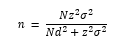
In this study, N denotes the population size, z represents the standard normal deviate corresponding to the desired confidence level, σ is the standard deviation, and d refers to the acceptable margin of error. The total number of nurses working at Afshar Hospital was N = 300. Assuming a 95% confidence level (α = 0.05, Z = 1.96), a standard deviation of σ = 1.89 based on a previous similar study (16), and a margin of error of d = 0.162, the required sample size was estimated to be 190 nurses. To obtain a relatively precise estimate of the mean organizational health score within the sample, the margin of error (d) was set at 0.11 units on a 4-point scale - a small yet practically meaningful difference. This choice of d aligns with general recommendations for determining sampling precision.
The inclusion criterion for the study was a minimum of 6 months of work experience, and the exclusion criterion was non-cooperation or failure to complete the questionnaires. The required data were collected through two questionnaires. In the introduction section of the questionnaires, demographic factors including gender, age, marital status, educational status, employment status, work experience, and department of service were included.
The first questionnaire was related to measuring Organizational Health (OH). To measure this section, the questionnaire developed by Hoy and Feldman in 1987 was used (12). Its validity and reliability were measured by Sharifi (17), achieving a Cronbach’s Alpha coefficient of 0.96. The aforementioned questionnaire has 44 questions that measure seven different dimensions of OH. These dimensions include: Institutional Integrity (7 questions), Managerial Influence (5 questions), Consideration (5 questions), Structuring (5 questions), Resource Support (5 questions), Academic Emphasis (8 questions), and Morale (9 questions). A 5-point Likert scale was used to obtain respondents’ opinions. The minimum score will be 44 points, and the maximum score will be 220 points. The analysis of the questionnaire based on the obtained score was as follows: if the questionnaire score was between 44 and 80, the level of OH in this population was low; if the questionnaire score was between >80 and 120, the level of OH was moderate; and if the obtained score was above 120, the level of OH was high (18).
The second questionnaire was related to Organizational Entrepreneurship (OE). The validity of the questionnaire has been confirmed by professors and specialists in the field, and the reliability of the questionnaire was measured through Cronbach’s Alpha, which was 0.89 (19). This questionnaire has 48 questions in 6 dimensions: Organizational Acts (8 questions), Individual Attitude (9 questions), Flexibility (9 questions), Reward Status (7 questions), Entrepreneurial Leadership (8 questions), and Entrepreneurial Culture (7 questions). The scoring for this questionnaire utilized a five-point Likert scale. The minimum possible score was 48, and the maximum possible score will be 240. The analysis of the questionnaire based on the obtained score was as follows: if the questionnaire score was between 48 and 70, the level of OE in this population was weak; if the questionnaire score was between >70 and 110, the level of OE was moderate; and if the obtained score was above 110, the level of OE was good (20).
After collecting the questionnaires, the questions were coded and entered into SPSS software version 27. The data description was reported based on frequency, percentage, mean, and standard deviation. For data analysis, due to the non-normality of the data based on the Kolmogorov-Smirnov test, the Mann-Whitney U and Kruskal-Wallis tests were used to compare the means and to examine the relationships. The statistical significance level adopted for this study was set at P < 0.05.
The researchers obtained the necessary ethical approvals for conducting this research (IR.SSU.SPH.REC.1403.052). Access to the hospital was arranged via an introduction letter. The interviewees entered the study with full consent, and the questionnaire was fully explained to them. Furthermore, participants could withdraw at any time during the interview, and there was no compulsion to complete the questionnaire. It was guaranteed that the collected information would be used only for this research.
Results
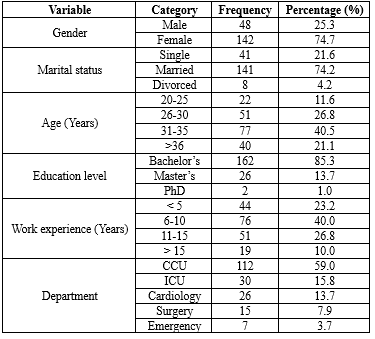
The highest number of participants, regarding the gender variable, were women (74.7%). Additionally, 74.2% of the participants were married, 85.3% held a bachelor’s degree, 40.5% had an average age between 31 - 35 years, and 40% had work experience between 6 - 10 years. This study was conducted in various clinical departments of the hospital, and the highest number of participants came from the CCU departments with a frequency of 112 people (Table 1).
Hospitals are considered the most important health and treatment institutions, serving as a crucial arm for providing health and treatment services and the first level of referral with specific territories and responsibilities. In today’s highly competitive world, hospitals, as key entities in providing health and medical services, require continuous improvement in the quality of their services (1). In this regard, Organizational Entrepreneurship (OE) is recognized as a key strategy for innovation and performance improvement (2). OE is defined as the process by which individuals pursue opportunities within organizations, regardless of the resources they currently control. Entrepreneurship creates new employment opportunities, characterized by the creative and innovation-based production or provision of products and services (3). An organizational entrepreneur is someone who discovers and exploits new products, activities, and technologies within an organization; they are essentially the engine for the growth and development of organizations and societies (4). Therefore, the duty of organizations and managers is to discover and nurture creative and entrepreneurial individuals. Every organization needs an appropriate structure and conditions to foster creative and entrepreneurial individuals, enabling them to utilize their latent talents (5).
Statistics from studies conducted worldwide have identified nurses as the largest group of employees in the treatment team. Thus, the successful execution of medical affairs largely depends on the quality of nurses’ job performance. Optimal job performance by nurses guarantees the quality of health services provided to patients and contributes to their satisfaction (6). Competent nurses, by integrating knowledge, skills, and attitudes that enable them to adapt to dynamic healthcare environments, are key contributors to maintaining safe and effective healthcare services (7). Rapid changes in the healthcare system have created exceptional opportunities for nurses with creativity, innovation, and business acumen to become entrepreneurs. Nurses, who act as the frontline healthcare providers, play a vital role in promoting and implementing OE. Entrepreneurial nurses can provide nursing services in the nature of direct care, education, research, executive, and consultative roles (8).
Fostering and strengthening the spirit of entrepreneurship in an organization requires providing a suitable foundation, structure, and organizational setup (9). To promote entrepreneurship in an organization, an environment is needed where employees’ talents are shaped toward entrepreneurship. The presence of a healthy organization creates a suitable atmosphere for the emergence of employees’ talents. Managers in healthier organizations value the efforts of their staff and encourage them to propose new ideas (10). Conversely, a low level of health is the root of many individual and organizational problems and failures, leading to the waste of resources and driving the organization toward destruction (11). Thus, it can be concluded that entrepreneurship is a crucial and complex subject influenced by a wide range of factors. One of the significant factors affecting entrepreneurship is Organizational Health (OH), which refers to the organization’s durability and survival in its environment, its adaptability, and its ability to upgrade and expand its capacity for better adjustment (12). A healthy organization is a place where people want to stay and work, and be effective and productive individuals themselves (13). If an organization enjoys complete health, it leads to increased employee responsibility and improved quality of products and services (14).
Research indicates that OH can act as a driver for OE, and its improvement can lead to the creation of innovative opportunities and increased efficiency in organizations (15). Given the aforementioned points and the importance of the status of OH and OE, and considering that no previous study has examined the status of these two factors in this hospital, the necessity of conducting the present research was felt even more strongly. The researchers sought to identify the status of the OH and OE in the studied hospital.
Methods
The present study was an applied and descriptive cross-sectional research. The sample size was determined using the formula for estimating a mean in a finite population:
In this study, N denotes the population size, z represents the standard normal deviate corresponding to the desired confidence level, σ is the standard deviation, and d refers to the acceptable margin of error. The total number of nurses working at Afshar Hospital was N = 300. Assuming a 95% confidence level (α = 0.05, Z = 1.96), a standard deviation of σ = 1.89 based on a previous similar study (16), and a margin of error of d = 0.162, the required sample size was estimated to be 190 nurses. To obtain a relatively precise estimate of the mean organizational health score within the sample, the margin of error (d) was set at 0.11 units on a 4-point scale - a small yet practically meaningful difference. This choice of d aligns with general recommendations for determining sampling precision.
The inclusion criterion for the study was a minimum of 6 months of work experience, and the exclusion criterion was non-cooperation or failure to complete the questionnaires. The required data were collected through two questionnaires. In the introduction section of the questionnaires, demographic factors including gender, age, marital status, educational status, employment status, work experience, and department of service were included.
The first questionnaire was related to measuring Organizational Health (OH). To measure this section, the questionnaire developed by Hoy and Feldman in 1987 was used (12). Its validity and reliability were measured by Sharifi (17), achieving a Cronbach’s Alpha coefficient of 0.96. The aforementioned questionnaire has 44 questions that measure seven different dimensions of OH. These dimensions include: Institutional Integrity (7 questions), Managerial Influence (5 questions), Consideration (5 questions), Structuring (5 questions), Resource Support (5 questions), Academic Emphasis (8 questions), and Morale (9 questions). A 5-point Likert scale was used to obtain respondents’ opinions. The minimum score will be 44 points, and the maximum score will be 220 points. The analysis of the questionnaire based on the obtained score was as follows: if the questionnaire score was between 44 and 80, the level of OH in this population was low; if the questionnaire score was between >80 and 120, the level of OH was moderate; and if the obtained score was above 120, the level of OH was high (18).
The second questionnaire was related to Organizational Entrepreneurship (OE). The validity of the questionnaire has been confirmed by professors and specialists in the field, and the reliability of the questionnaire was measured through Cronbach’s Alpha, which was 0.89 (19). This questionnaire has 48 questions in 6 dimensions: Organizational Acts (8 questions), Individual Attitude (9 questions), Flexibility (9 questions), Reward Status (7 questions), Entrepreneurial Leadership (8 questions), and Entrepreneurial Culture (7 questions). The scoring for this questionnaire utilized a five-point Likert scale. The minimum possible score was 48, and the maximum possible score will be 240. The analysis of the questionnaire based on the obtained score was as follows: if the questionnaire score was between 48 and 70, the level of OE in this population was weak; if the questionnaire score was between >70 and 110, the level of OE was moderate; and if the obtained score was above 110, the level of OE was good (20).
After collecting the questionnaires, the questions were coded and entered into SPSS software version 27. The data description was reported based on frequency, percentage, mean, and standard deviation. For data analysis, due to the non-normality of the data based on the Kolmogorov-Smirnov test, the Mann-Whitney U and Kruskal-Wallis tests were used to compare the means and to examine the relationships. The statistical significance level adopted for this study was set at P < 0.05.
The researchers obtained the necessary ethical approvals for conducting this research (IR.SSU.SPH.REC.1403.052). Access to the hospital was arranged via an introduction letter. The interviewees entered the study with full consent, and the questionnaire was fully explained to them. Furthermore, participants could withdraw at any time during the interview, and there was no compulsion to complete the questionnaire. It was guaranteed that the collected information would be used only for this research.
Results
The highest number of participants, regarding the gender variable, were women (74.7%). Additionally, 74.2% of the participants were married, 85.3% held a bachelor’s degree, 40.5% had an average age between 31 - 35 years, and 40% had work experience between 6 - 10 years. This study was conducted in various clinical departments of the hospital, and the highest number of participants came from the CCU departments with a frequency of 112 people (Table 1).
|
Table 1. Frequency distribution of demographic variables among studied nurses
 |
|
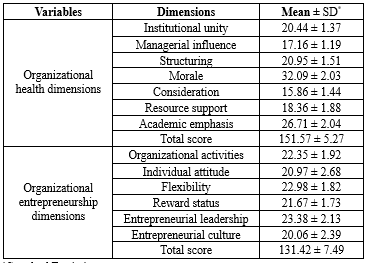
Table 2. Descriptive indicators pertaining to OH and OE variables
 *Standard Deviation |
|
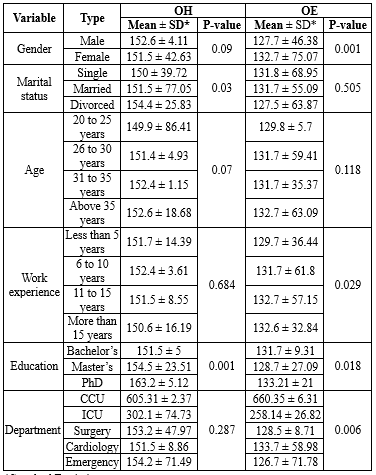
Table 3. The status of OH and OE variables based on demographic variables
 *Standard Deviation |
Discussion
The present study revealed that Organizational Health (OH) among the studied individuals was at a high level. Soltani et al. (21), Sharifi et al. (17), Gholampour et al. (22), and Akbari et al. (16) also reported high levels of OH in their respective studies, which is consistent and aligned with the current research. However, Shariatmadari (23) reported the level of OH among their subjects as moderate. Conversely, Iranzadeh (24) found that the employees studied enjoyed a weak level of OH, requiring support and reinforcement from senior managers, a result that does not align with the current study. This disagreement might be due to the difference in location and sample; Iranzadeh’s sample consisted of all Azad University employees, while the current study sample was nurses in a public hospital.
Among the seven dimensions of OH in the current study, the highest mean score belonged to the morale dimension, and the lowest mean score belonged to the consideration dimension. Soltani (21), in contrast, reported the highest mean for the structuring dimension and the lowest for Institutional Unity, which differs from the current findings. Sharifi (17) identified scientific emphasis and institutional unity as having the lowest scores, which does not align with the current study. Iranzadeh (24), however, reported that the morale dimension achieved the highest score relative to other OH dimensions, and consideration had the lowest mean, which is consistent with the present study.
Regarding Organizational Entrepreneurship (OE), the level among the studied individuals was high. Dehghan et al. (25) also stated that employee entrepreneurship scores were generally good, which is similar to the current findings. However, Akbari et al. (16) found that most employees at Tehran University had moderate to low levels of entrepreneurship, which does not align with the current study. This difference could be attributed to the year of the study and the difference in the sample population. Among the OE dimensions, entrepreneurial leadership had the highest mean score, while entrepreneurial culture had the lowest mean score. Dehghan reported reward status as having the highest mean and entrepreneurial leadership as having the lowest mean (25). This finding does not align with the current research. The sample in Dehghan’s study belonged to the sports sector, whereas the current study participants were nurses, which could explain this inconsistency. Nasr Esfahani reported organizational climate as the highest and flexibility as the lowest (20), which does not align with the present study. Lorni et al. also examined this issue in their review of Italian hospitals, and their findings partially overlapped with the present study, showing that OH principles were only partially addressed and realized, and the overall response level of the local hospital was lower than that of the university hospital (26).
The study findings indicated a significant difference between marital status and OH. Specifically, the mean OH score was significantly higher among divorced individuals compared to other groups. Furthermore, a significant difference was observed between educational level and OH, where the mean was lower among employees with a bachelor’s degree compared to other educational levels. Shariatmadari (23) also found a significant relationship between OH status and demographic characteristics such as gender and work experience, which does not align with the current study. This discrepancy may be attributed to differences in the sample studied; the present research focused on nurses, whereas Shariatmadari’s study focused on school principals.
Moreover, the current research indicated a significant difference between gender, type of workplace sector, and educational level with OE. A significant difference was found between work experience and OE, such that the mean OE score was significantly higher among employees with 11 to 15 years of work experience compared to others. Studies by Nazem et al. (14) and Ghahramani (27) demonstrated a significant difference in OE across demographic variables, specifically educational level and work experience, which is consistent with the present study.
One of the strengths of the present study was its uniqueness. It is among the few studies examining OH and OE among nurses in the city of Yazd. Given the scarcity of specific research in this area, this study can partially fill the existing research gaps. One limitation of the study was the non-cooperation of some nurses, which was partially overcome by explaining the objectives and importance of the project.
Conclusion
Based on the research findings, the healthcare staff studied in this research, which included nurses, had a good level of entrepreneurship. Given the importance of entrepreneurship, efforts must be made to enhance it within the organization. Among the dimensions of OE, the entrepreneurial leadership dimension had the highest mean score, and the entrepreneurial culture dimension had the lowest mean score. Therefore, fostering entrepreneurship should be considered a strategic priority for hospital policymakers and managers, and assessing the level of entrepreneurship should become a continuous activity.
Furthermore, the level of OH among the hospital staff was assessed as relatively high. Therefore, adopting measures aimed at increasing innovation and creativity, improving the teamwork atmosphere, and enhancing the feeling of support from managers among nurses - such as consultation classes, practical workshops, and recreational camps - as well as utilizing management strategies like participative management, delegation of authority to personnel, having a reward system, providing staff access to desirable specialized resources, and granting employees autonomy within the scope of their specialized tasks, can be helpful in this regard.
Acknowledgement
We hereby express our gratitude and appreciation for the support provided by Shahid Sadoughi University of Medical Sciences and the cooperation of the management and staff of Afshar Hospital in Yazd for conducting this research.
Funding sources
Shahid Sadoughi University of Medical Sciences (No.: 17083) has provided financial support.
Ethical statement
Ethics approval related to the research was obtained from the Ethical Committee of Shahid Sadoughi University of Medical Sciences (Approval No.: IR.SSU.SPH.REC.1403.052).
Conflicts of interest
The authors declare that they have no competing interests.
Author contributions
M. K. R., S. H. Z., and H. J. Contributed in designing the study. S. H. Z. and T. Sh. Collected the data. E.Kh. Analyzed data. H. J. Drafted the manuscript. All the authors read and approved the final manuscript.
Data availability statement
Data is available upon request from the corresponding author.
Type of Study: Original Article |
Subject:
Health Policy
Received: 2025/04/8 | Accepted: 2025/06/13 | Published: 2026/04/4
Received: 2025/04/8 | Accepted: 2025/06/13 | Published: 2026/04/4
References
1. Aryankhesal A, Tabatabaee S, Kalhor R, Kakeh-mam E, Joyani Y, Moradi N. Association of organizational climate and hospital performance in establishment of clinical governance in Tehran University of Medical Sciences 2012. JQUMS. 2014;18(5):43-50. [View at Publisher] [Google Scholar]
2. Rafieian Esfahan M. The Impact of Leadership and Management on the Development of Entrepreneurial Capacities and Innovation. J Advert Sales Manag. 2022;3(2):95-103. [View at Publisher] [DOI] [Google Scholar]
3. Taghinezhad P, Naderi E, Seif Naraghi M. Exploring the Concept of Entrepreneurship in Higher Education: A Systematic Review of Research Articles in Entrepreneurship Education with Thematic Analysis Approach. TEJ. 2021;15(3):555-66. [View at Publisher] [DOI] [Google Scholar]
4. Teimouri H, Shaemi A, Zarei M. Study of The Relationship Between Dimensions of Organizational Intelligence and Organizational Entrepreneurship. MSDE. 2017;25(83):115-34. [View at Publisher] [DOI] [Google Scholar]
5. Mahdavi M, Azari Z. Employment Generation by Executives of State Management and Planning Organization (SMPO) and Its Subsidiaries. JMDP. 2006;20(3-4):13-27. [View at Publisher] [Google Scholar]
6. Karimi johani R, Taghilou H, Karimi johani F, Jafarzadeh Gharajag Z, Babapour azam L. Investigating the relationship between burnout and job performance in the corona epidemic from the perspective of nurses. Quarterly Journal of Nursing Management (IJNV) Original Article. 2021;9(4):27-33. [View at Publisher] [Google Scholar]
7. Zaitoun RA, Said NB, de Tantillo L. Clinical nurse competence and its effect on patient safety culture: a systematic review. BMC Nurs. 2023;22(1):173. [View at Publisher] [DOI] [PMID] [Google Scholar]
8. Black B. Professional Nursing: Concepts &Challenges 7th ed St. Louis, MO Saunders Elsevier. 2014. [View at Publisher] [Google Scholar]
9. Audretsch DB, Belitski M, Caiazza R, Lehmann EE. Knowledge management and entrepreneurship. Int Entrep Manag J. 2020;16(2):373-85. [View at Publisher] [DOI] [Google Scholar]
10. Lee J-C, Chen C-L, Xie S-H. The influence of school organizational health and occupational burnout on self-perceived health status of primary school teachers. Procedia Soc Behav Sci. 2014;116:985-9 [View at Publisher] [DOI] [Google Scholar]
11. Akbari T, Rashidi A. The role and role of genuine leadership components in predicting organizational health with the mediating role of psychological capital in the higher education system. Applied Educational Leadership. 2020;1(1):87-99. [View at Publisher] [Google Scholar]
12. Hoy WK, Fedman JA. Organizational health: The concept and its measure. JRDE. 1987;20(4):30-7 [View at Publisher] [Google Scholar]
13. Khalesi N, Shams L, Yegane S, Jafari Pooyan E, Nasiri T, Roustai N, et al. The Relationship Between Organizational Health and Organizational Citizenship Behavior in Hospitals Affiliated to Tehran University of Medical Sciences In 2010. Payavard. 2013;6(6):412-22. [View at Publisher] [Google Scholar]
14. Nazem F, Karimzadeh S, Ghaderi E. A survey on the relationship between knowledge management, organizational health with personnel entrepreneurship in social security organization of Iran. Social Research Year. 2011;3(9):89-115. [View at Publisher] [Google Scholar]
15. Mohajeran B, Ghaleei A, Moghadam Z, Akbari T. The relationship between organizational trust, organizational health and entrepreneurship of employees in Hamedan district and province health centers in 2013-14. Journal of health. 2017;8(3):350-60. [View at Publisher] [Google Scholar]
16. Akbari A, Shakiba S, Ziaee Z, Marzban M, Razi R. Relation between organizational health and organizational entrepreneurship: the case of university of Tehran. J Public Adm. 2013;5(13):1-20. [View at Publisher] [DOI] [Google Scholar]
17. Sharifi A, Aghasi S. A Study of the Impact of Mangers' Performance on. Journal of new approaches in educational administration. 2010;1(4):149-68. [View at Publisher] [Google Scholar]
18. Alizadeh B, Nastiezaie N. The Study of Relationship between Organizational Health and Organizational Virtuousness with Mediating Role of Organizational Justice. Bioethics Journal. 2019;9(32):33-45. [View at Publisher] [Google Scholar]
19. Tavangar Marvasti Z ,Mohmmadi Far M, Aminbeidokhti AA. Factors Affecting Organizational Entrepreneurship. Educational Development of Judishapur. 2019;10(4):395-405. [View at Publisher] [DOI] [Google Scholar]
20. Nasr Esfahani A, Farokhi M, Amiri Z, Salahshori R. The effects of organizational health on organizational entrepreneurship with an emphasis on the mediatory role of creative climate. Innovation Management Journal. 2015;4(2):135-53. [View at Publisher] [Google Scholar]
21. Soltani Bahram S, Alizadeh Aghdam M-B. A sociological study of the organizational health among Tabriz University Staff. Quarterly of Social Studies and Research in Iran. 2021;10(1):145-74. [View at Publisher] [DOI] [Google Scholar]
22. Gholampour M, PourShafei H, Vasheghani Farahani A. The role of organizational culture and health on professional ethics of teachers. Ethics in Science and Technology Year. 2019;14(1):75-81. [View at Publisher] [Google Scholar]
23. Shariatmadari M. Investigating the relationship between organizational health and effectiveness of school administrators in Tehran. Journal of instruction and evaluation. 2009;2(6):119-51. [View at Publisher] [Google Scholar]
24. Iranzadeh S, Zemestani gh, Pakdel Bonab M, Babaei Heravi S. Investigating the relationship between organizational health and employee productivity in the Islamic Azad University of Tabriz branch. Product Manag. 2013;7(1):49-70. [View at Publisher] [Google Scholar]
25. Dehghan A, Ghanbari M, Safari A. Examining the relationship of organizational entrepreneurship in the General Department of Sports and Youth of Fars Province. Scientific Journal of New Management and Accounting Research Approaches. 2022;2(7):79-90. [View at Publisher]
26. Lorini C, Palmieri L, Unim B, Zimmitti S, Lunetta C, Biagi C, et al. Insights into organizational health literacy in Italian hospitals: findings from the M-POHL network project. Health Promot Int. 2025;40(4):daaf137. [View at Publisher] [DOI] [PMID] [Google Scholar]
27. Ghahramani M, Abolghasemi M, Arefi M, Khatami M. Examine organizational health at Shahid Beheshti University. Career Organ Couns. 2012;4(10):13-30. [View at Publisher] [Google Scholar]
Send email to the article author
| Rights and permissions | |
 |
This work is licensed under a Creative Commons Attribution-NonCommercial 4.0 International License. |
